18 Oct 2026
Blueprints for Linking Fast-Pay Systems to Staged Bonus Structures and Mixed Prize Designs in On-the-Go Game Development
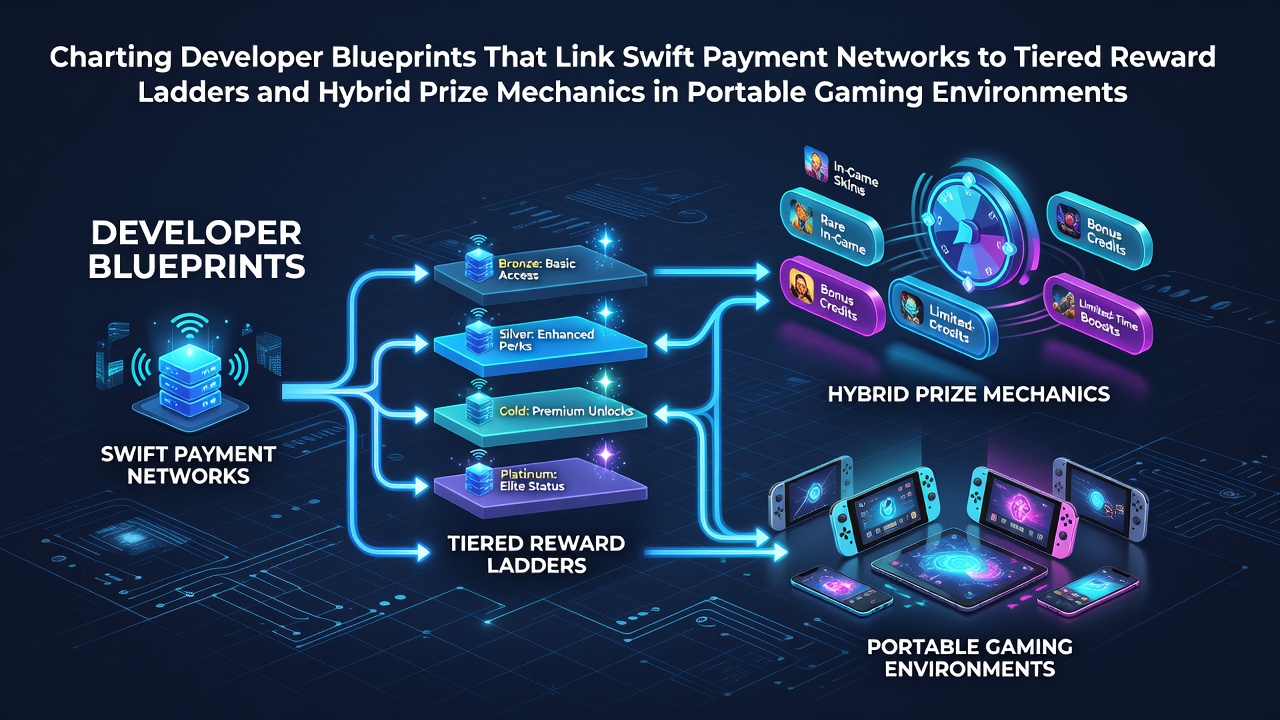
Developers in the portable gaming sector continue to refine architectures that tie rapid transaction platforms directly to graduated incentive frameworks, and these designs often incorporate composite prize models that blend immediate payouts with longer-term progression elements, according to industry reports from the Entertainment Software Association. Data from multiple markets shows that such integrations allow players to move through reward ladders while using instant payment options that sync with in-app economies, and this approach has expanded since 2024 as more studios adopt unified backend systems.
Payment networks now operate with sub-second confirmation times in many mobile environments, which enables seamless movement between deposit actions and reward unlocks, whereas older systems required separate verification steps that interrupted gameplay flow. Researchers at various institutions have documented how these networks reduce latency by routing transactions through optimized APIs that communicate directly with game servers, and the result appears in smoother user sessions where players receive tiered benefits without exiting the application.
Core Components of Tiered Reward Integration
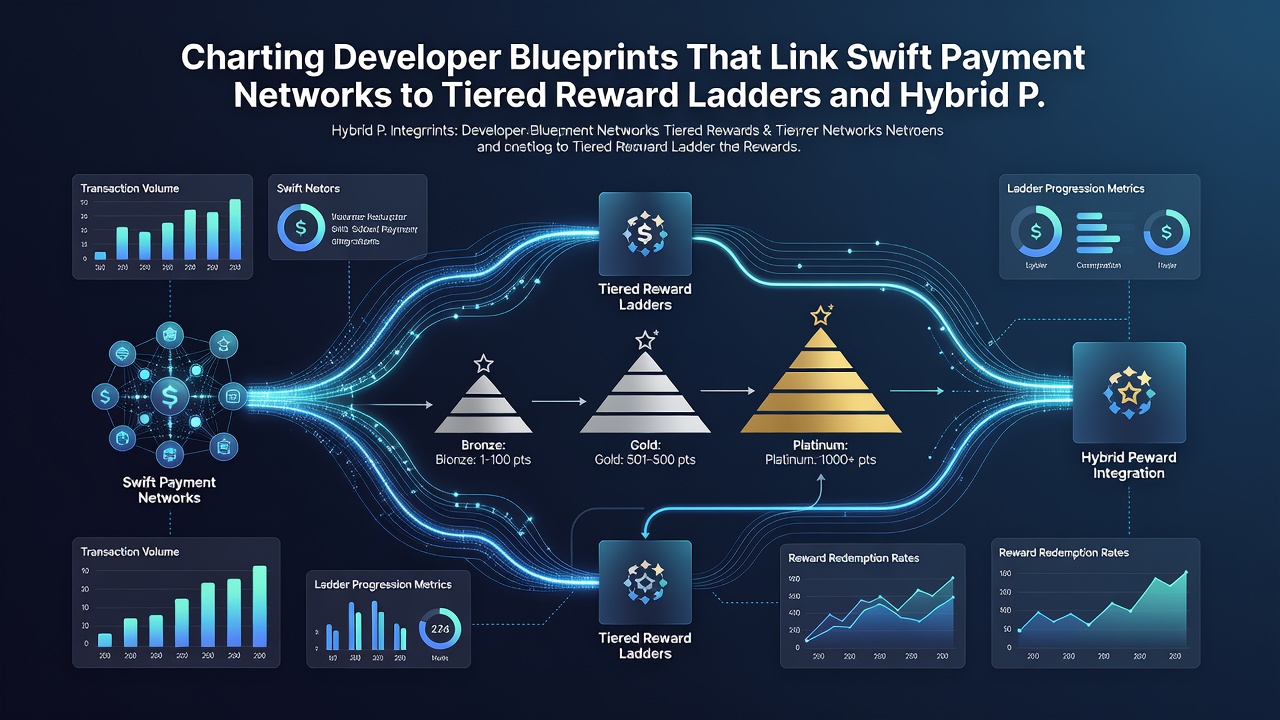
Staged incentive structures typically consist of multiple levels that unlock based on cumulative activity metrics, and developers map these levels to payment triggers so that each deposit or spend action advances the player along the ladder. Observers note that this mapping relies on real-time data pipelines which update player profiles instantly, and the pipelines often draw from both transaction logs and gameplay statistics to calculate eligibility for the next tier.
Hybrid prize mechanics combine elements such as instant token grants, progressive point multipliers, and time-limited challenges that feed into a shared reward pool, and these mechanics require careful balancing to prevent overlap or exploitation. One studio group that implemented such a system in early 2025 reported that the hybrid approach increased session duration across tested user cohorts, while data from regulatory filings in several regions indicated stable compliance with spending limits when the mechanics included automated caps.
Technical Architecture Patterns
Architectures frequently employ modular services where a central payment gateway interfaces with separate modules for reward calculation and prize distribution, and this separation allows independent scaling when transaction volumes spike during promotional periods. Engineers design these modules to handle concurrent requests from thousands of portable devices, and they incorporate fallback protocols that maintain reward tracking even if a network connection drops momentarily.
Database schemas track player progress across tiers using timestamped entries that link each payment event to specific reward outcomes, and queries optimized for low latency pull this data into the active game session without noticeable delays. Studies from academic sources have highlighted that such schemas reduce reconciliation errors by maintaining a single source of truth for both financial and progress records.
Implementation Examples Across Markets
Teams working on cross-platform titles have deployed these blueprints in titles that support both iOS and Android environments, and the implementations often feature region-specific adjustments to accommodate local payment providers while preserving the core tier and prize logic. Figures from market analyses show adoption rates climbing steadily through 2025, with particular growth in regions outside traditional strongholds.
One documented case involved a developer that synchronized its reward ladder with a hybrid prize system using blockchain-verified transactions for transparency, and the approach allowed external auditors to review prize distribution without accessing player financial details directly. Preparations for the October 2026 Mobile Gaming Technology Summit include sessions focused on further refinements to these synchronization methods, drawing input from engineers across multiple continents.
Security layers within these systems employ tokenization for payment credentials and encrypted channels for reward state updates, which together limit exposure during data exchanges between the payment network and the game client. Industry organizations have published guidelines that recommend regular penetration testing of these layers, and developers who follow the guidelines report fewer incidents involving unauthorized reward claims.
Future Considerations in System Design
Scalability remains a primary concern as player bases expand, and architects address it through distributed computing resources that allocate additional capacity to reward processing modules during peak hours. Evidence from operational logs indicates that predictive scaling algorithms, trained on historical transaction patterns, help maintain consistent performance across global user groups.
Interoperability with emerging payment standards continues to drive updates to existing blueprints, and teams monitor developments from bodies such as the European Payments Council to ensure compatibility. This ongoing alignment supports smoother integration of new transaction types into tiered and hybrid systems without requiring full redesigns.
Conclusion
The documented patterns reveal consistent emphasis on modular design, real-time data handling, and balanced prize mechanics that connect swift payments to player progression in portable gaming. As platforms evolve, these blueprints provide a foundation that studios adapt to new devices and payment methods while preserving the core linkages between transactions and rewards. Continued observation of implementation outcomes across markets will inform subsequent iterations of these systems.