27 Aug 2026
Integrating Payment Frameworks and Reward Systems Across Live Digital Gaming Platforms
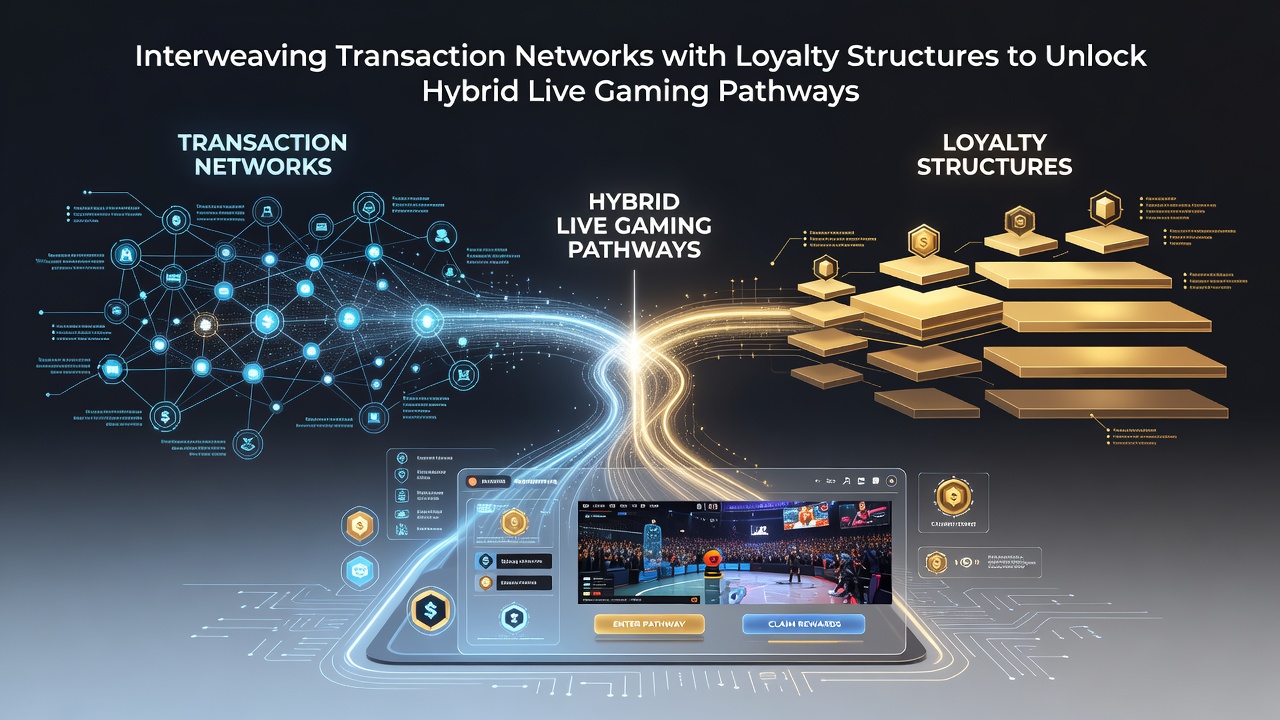
Transaction networks and loyalty structures have begun to merge in ways that create new pathways for hybrid live gaming experiences, where real-time player interactions meet layered reward mechanisms. Data from industry reports shows that payment processing volumes in digital gaming sectors reached significant levels by mid-2025, with further growth projected into August 2026 as platforms expand cross-device capabilities. Observers note that these integrations allow operators to link instant deposits directly to personalized loyalty tiers, enabling players to move between live events and ongoing digital sessions without separate account management steps.
Core Components of Transaction and Loyalty Mergers
Payment systems now incorporate real-time verification protocols that feed directly into loyalty databases, so every completed transaction updates reward balances automatically. Researchers at various institutions have documented how this setup reduces friction during live gaming sessions, where participants switch between mobile and desktop interfaces while maintaining continuous progress toward bonus thresholds. Studies indicate that platforms using these combined structures report higher retention rates compared to those relying on isolated systems, because players receive immediate feedback on their activity through unified dashboards.
Hybrid pathways emerge when live streaming elements combine with persistent game worlds, allowing users to earn loyalty points during scheduled events that carry over into asynchronous play modes. According to figures from the American Gaming Association, transaction speeds in regulated markets have improved through API connections between financial networks and player management tools, which in turn support more dynamic reward scaling based on participation frequency.
Technical Architecture Behind the Integration
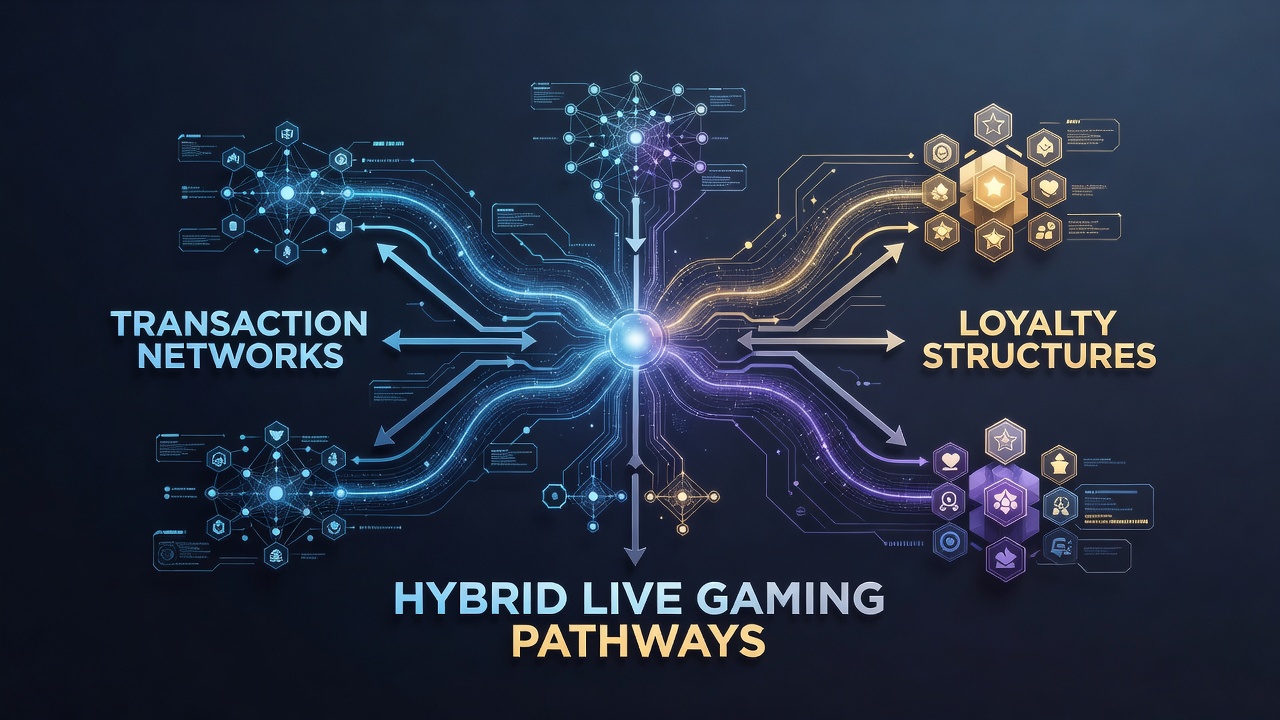
Developers build these systems around modular databases that synchronize transaction logs with loyalty algorithms in milliseconds, ensuring that deposits trigger tier advancements without delays. Experts have observed that security layers, including multi-factor authentication tied to payment methods, extend naturally into loyalty verification processes, creating a single pipeline for both financial and engagement data. This architecture supports scalability across regions, where different regulatory requirements for data handling apply yet the core logic remains consistent.
One study revealed that platforms adopting unified networks experienced fewer account disputes, since transaction histories and loyalty histories reside in linked records rather than separate silos. The reality is that such connections also facilitate promotional mechanics, where targeted offers activate based on live session metrics combined with historical spending patterns.
Implementation Patterns Across Global Markets
Markets in North America and parts of Asia have seen accelerated adoption of these hybrid models, with operators testing configurations that tie live tournament entries to ongoing loyalty accumulation. Data shows that by August 2026, several major platforms plan expansions that incorporate predictive analytics, using transaction velocity to forecast and adjust reward structures in advance of peak activity periods. Industry organizations report that these adjustments help maintain engagement during transitions between live and recorded content segments.
Take one operator who implemented layered access rules, where higher loyalty tiers unlock exclusive live event streams funded through integrated payment channels, and the approach led to measurable increases in session duration according to internal metrics shared with research partners. Yet the pattern extends beyond single companies, as collaborative standards developed by trade groups encourage interoperability between different payment providers and loyalty engines.
Challenges in Scaling These Combined Systems
Regulatory variations across jurisdictions require careful mapping of transaction data to loyalty eligibility criteria, since some regions impose strict separation rules while others permit tighter integration. Observers note that compliance teams now work alongside technical staff to embed audit trails that satisfy multiple oversight bodies simultaneously. Research indicates that platforms addressing these issues early achieve smoother rollouts, with fewer interruptions during live events that rely on instant reward delivery.
Technical hurdles include latency management when high volumes of simultaneous transactions coincide with loyalty updates during popular live sessions, though solutions involving edge computing have begun to address these bottlenecks effectively. Those who've studied the implementations find that testing protocols focused on peak-load scenarios help identify potential failure points before full deployment.
Future Directions for Hybrid Gaming Pathways
Emerging trends point toward greater use of tokenized assets within loyalty frameworks, where transaction networks facilitate the exchange of digital items earned through live participation. Reports from academic sources highlight pilot programs that link these elements to broader ecosystem rewards, extending value beyond individual platforms. As August 2026 approaches, analysts anticipate further standardization efforts that could streamline cross-border operations for operators managing multiple live and hybrid environments.
Conclusion
The interweaving of transaction networks with loyalty structures continues to shape hybrid live gaming pathways through technical refinements and market adaptations. Evidence from multiple sectors demonstrates that these integrations deliver measurable operational benefits when implemented with attention to regulatory and performance requirements. Ongoing developments suggest that platforms prioritizing seamless data flows between payments and rewards will define the next phase of interactive gaming experiences.