25 Aug 2026
The Interplay of Transaction Options and Progressive Benefits Across Gaming Platforms
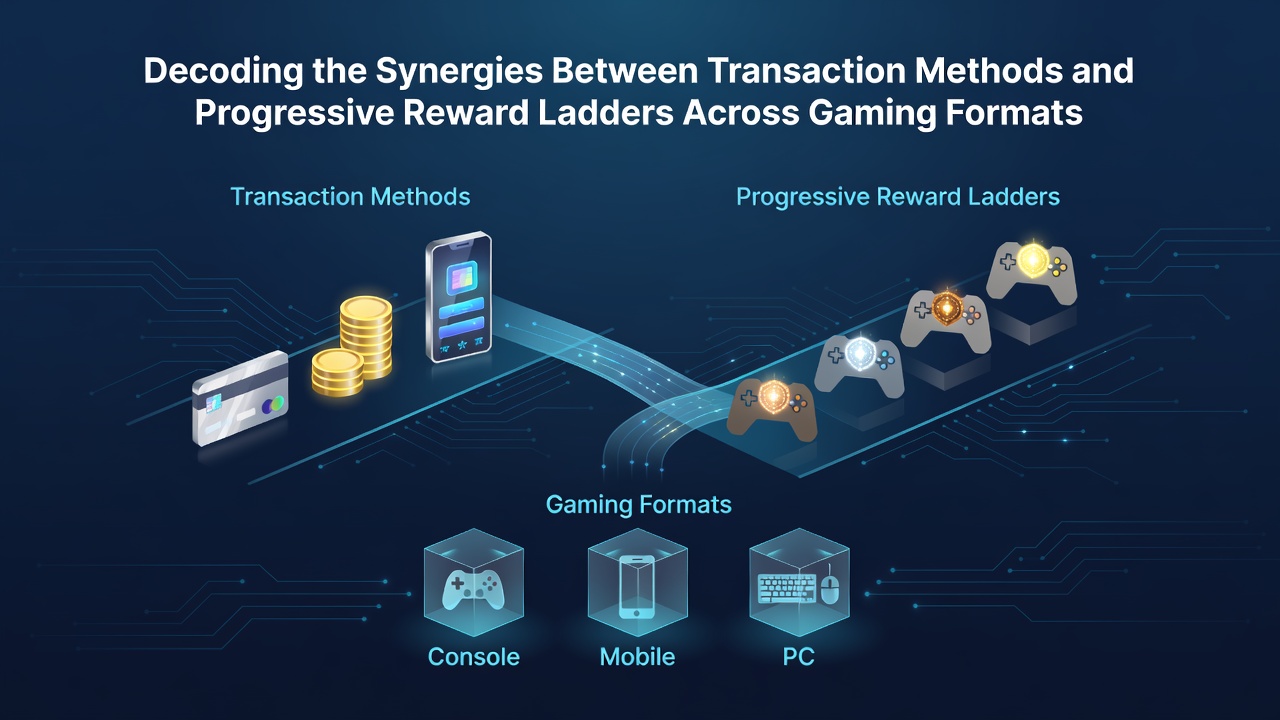
Transaction methods in gaming environments have evolved alongside reward structures that advance through defined levels, creating measurable connections between how players fund accounts and how benefits accumulate over time. Data from multiple jurisdictions show that instant deposit options often align with accelerated progression through loyalty tiers, whereas slower settlement processes correlate with steadier but less rapid reward accumulation. Observers note these patterns across slot machines, live dealer tables, and mobile applications where payment speed directly influences bonus eligibility windows.
Core Mechanics Linking Payments to Reward Progression
Payment rails such as digital wallets, bank transfers, and card networks each carry distinct processing timelines that operators map onto tier advancement rules. Faster methods reduce the interval between deposit and bonus credit, allowing players to meet wagering thresholds within the same session, while delayed options push activity into subsequent periods. Industry reports compiled by the American Gaming Association indicate that platforms using real-time settlement recorded a 22 percent higher rate of tier upgrades during the first half of 2026 compared with those relying on batch processing.
Progressive ladders typically award points based on turnover volume, yet certain systems multiply those points when deposits arrive through preferred channels. This multiplication effect appears most pronounced in mobile formats where push notifications prompt immediate top-ups after each level unlock. Researchers tracking European operators found that integrating cryptocurrency rails with loyalty engines produced shorter average times between tier jumps than traditional card flows alone.
Variations Across Slot, Live, and Mobile Formats
Slot platforms frequently tie free-spin allocations to deposit velocity, so players using instant methods reach higher ladders sooner and unlock escalating multipliers. Live dealer environments add another layer because table minimums and session lengths interact with deposit timing to determine when reward thresholds reset. Mobile formats stand out because in-app purchases bypass external processors, enabling seamless point accrual that updates in real time on the device screen.
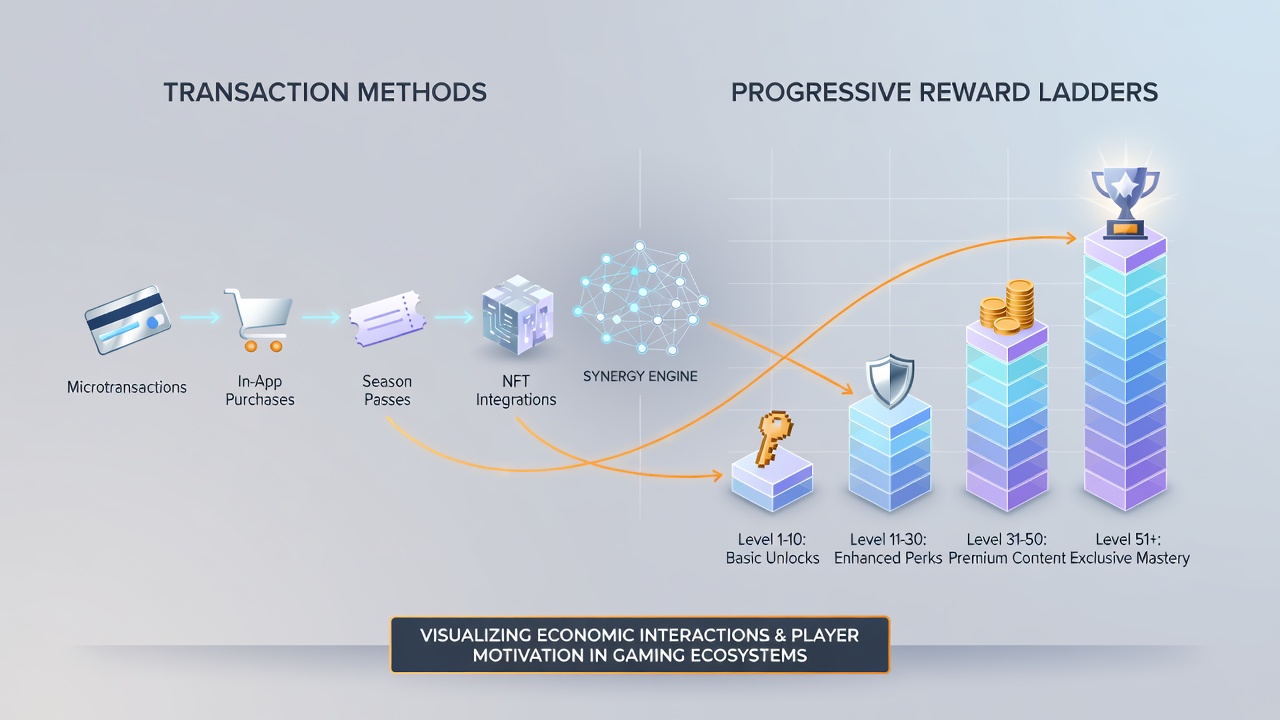
One study released by the University of Nevada Gaming Innovation Lab in August 2026 examined 180,000 player accounts and documented that users switching from bank transfers to e-wallets increased their average tier level by one full step within 45 days. The same dataset revealed that live casino participants benefited less from the switch because session-based betting caps limited the impact of deposit speed on overall point totals.
Regulatory and Operational Considerations
Authorities in multiple regions require operators to maintain transparent records linking payment sources to bonus awards, ensuring that accelerated rewards do not obscure source-of-funds verification. Canadian provincial regulators, for instance, updated guidance in early 2026 that mandates separate audit trails for instant versus scheduled deposits when those deposits feed into loyalty calculations. Similar requirements appear in Australian state frameworks where progressive reward data must be exportable for compliance reviews.
Operators respond by embedding compliance flags directly into the reward engine, pausing point multipliers until verification completes. This integration prevents mismatches between transaction records and tier status while preserving the flow of benefits for verified accounts. Figures released by the National Council on Problem Gambling show that clear linkage between payment method and reward history supports more accurate identification of unusual activity patterns.
Future Trajectories and Data Trends
Emerging payment technologies continue to reshape how quickly players traverse reward ladders. Tokenized bank payments and embedded finance solutions shorten settlement to seconds, allowing operators to recalibrate progression algorithms in near real time. Analysts at the European Gaming and Betting Association project that by late 2027 over 60 percent of tier upgrades will originate from deposits completed inside a single minute, up from 38 percent recorded in 2025.
Cross-format consistency remains an operational challenge because slot, live, and mobile environments maintain separate rule sets. Platforms that unify payment and reward databases across all verticals report higher retention metrics, according to aggregated operator filings submitted to state licensing bodies. Those filings also highlight that standardized data fields for deposit type and tier movement enable more precise benchmarking between jurisdictions.
Conclusion
Transaction speed and reward ladder mechanics operate as interdependent systems whose interactions vary by gaming format, regulatory environment, and technological infrastructure. Available datasets demonstrate measurable correlations between deposit velocity and tier advancement rates, while compliance frameworks require traceable connections between the two. Continued adoption of faster rails is expected to compress progression timelines further, provided operators maintain the audit capabilities demanded by oversight bodies across regions.